In today’s U.S. hospitality market, where labor costs are rising and supply chains remain unpredictable, hotel FF&E procurement is no longer just about buying furniture. It’s about timing, coordination, vendor accountability, and smart financial planning. Getting it right can save hundreds of thousands of dollars on a single project. Getting it wrong can delay openings, frustrate owners, and hurt guest experience from day one.
This article breaks down the problem, agitates the real risks many hotel owners and developers face, and then offers clear, proven solutions to streamline hotel FF&E procurement for efficiency and cost savings.
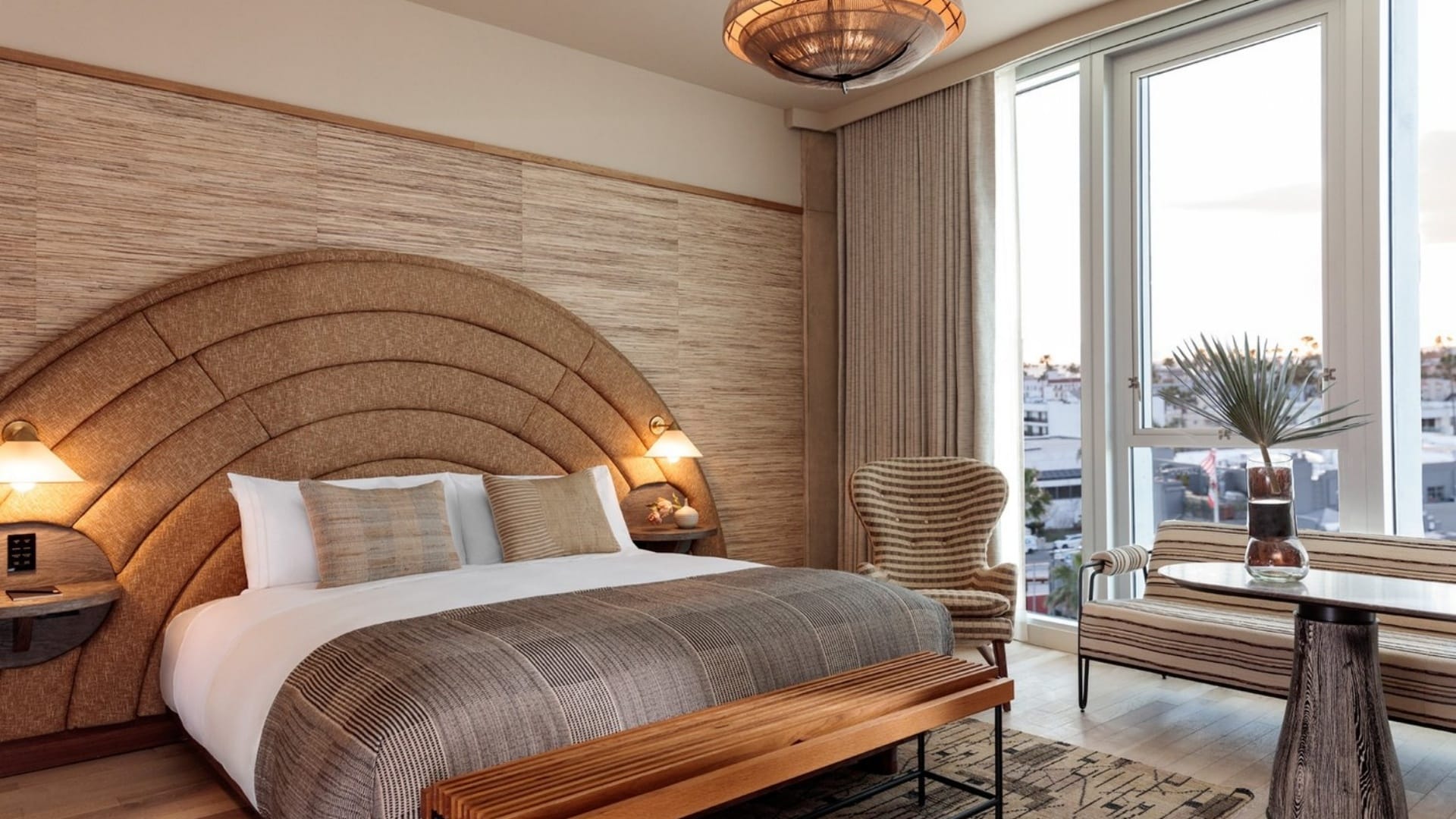
The Real Problem with Hotel FF&E Procurement Today
Hotel FF&E procurement often becomes complicated because it involves many moving parts. Furniture, fixtures, and equipment must align with brand standards, design intent, budgets, and construction schedules. In my experience, most inefficiencies come from poor planning early in the hotel FF&E procurement phase.
Many hotel projects still rely on fragmented processes. Designers specify products, owners approve budgets, contractors focus on timelines, and procurement teams try to make everything fit together later. This disconnect creates gaps in communication and accountability. According to a 2023 report by CBRE on U.S. hospitality development, procurement delays were listed among the top five causes of hotel project overruns, especially in mid-scale and full-service properties.
Another common issue in hotel FF&E procurement is late decision-making. When specifications are finalized too close to construction milestones, vendors rush production, freight costs increase, and substitutions become more likely. At that point, hotel FF&E procurement turns reactive instead of strategic.
Why Inefficient Hotel FF&E Procurement Costs More Than You Think
The true cost of poor hotel FF&E procurement goes far beyond line items on a spreadsheet. I’ve personally worked on projects where a lack of coordination added weeks to the opening date. For a 150-room hotel, even a two-week delay can mean losing hundreds of thousands of dollars in room revenue.
Inefficient hotel FF&E procurement also creates quality risks. When timelines shrink, teams often accept whatever is available instead of what was specified. This leads to mismatched finishes, inconsistent furniture quality, and faster wear and tear. The American Hotel & Lodging Association has reported that replacement and maintenance costs rise significantly within the first three years when FF&E quality is compromised during procurement.
Cash flow is another hidden issue. Without a clear hotel FF&E procurement schedule, payments to vendors can become unpredictable. Owners may pay deposits earlier than planned or face surprise balance payments tied to rushed delivery. Over time, this disrupts financial forecasting and strains investor confidence.
The Human Side of Hotel FF&E Procurement Challenges
Hotel FF&E procurement is not just a technical process. It affects people. Designers feel frustrated when their vision is altered. Owners feel pressure when budgets climb. Operations teams feel the impact when rooms are not ready. I’ve been in meetings where everyone assumed someone else was responsible for procurement coordination, only to realize too late that no one truly owned it.
In the U.S., where many hotels are developed by small ownership groups or first-time investors, hotel FF&E procurement is often underestimated. A 2022 JLL hospitality study found that first-time hotel developers were 30 percent more likely to experience FF&E-related delays compared to experienced groups. This shows how critical experience and structure are in hotel FF&E procurement.
When these issues pile up, trust erodes. Projects become stressful. Decisions are rushed. And the final product often suffers.
Building a Smarter Hotel FF&E Procurement Strategy
The solution starts with treating hotel FF&E procurement as a core project discipline, not an afterthought. From my experience, the most successful projects integrate hotel FF&E procurement planning during the earliest design phases.
Clear scopes of work are essential. Every item, from guestroom casegoods to back-of-house equipment, must be documented with lead times, alternates, and cost ranges. This allows hotel FF&E procurement teams to identify risks early and propose solutions before delays happen.
Centralized decision-making also matters. When one team or partner oversees hotel FF&E procurement from specification through delivery, communication improves. This is where ff&e procurement and delivery services can add real value. These services bridge the gap between design, purchasing, logistics, and installation, ensuring accountability at every step.
Technology plays a growing role as well. Procurement platforms now allow real-time tracking of orders, budgets, and delivery schedules. According to Deloitte’s 2024 construction technology report, projects using integrated procurement software reduced FF&E-related delays by up to 20 percent. For hotel FF&E procurement, visibility equals control.
How Strategic Sourcing Improves Hotel FF&E Procurement Efficiency
Strategic sourcing is one of the most effective ways to streamline hotel FF&E procurement. Instead of selecting vendors item by item, successful projects build long-term relationships with trusted manufacturers and suppliers. I’ve seen this approach reduce costs simply because vendors understand expectations and timelines from the start.
In the U.S., domestic sourcing has become increasingly attractive for hotel FF&E procurement. While overseas manufacturing may offer lower unit costs, shipping delays and tariffs often erase those savings. A case study published by Hotel Management magazine highlighted a Texas-based hotel group that shifted 60 percent of its FF&E sourcing to U.S. manufacturers, cutting lead times by nearly 40 percent.
Bundling purchases is another smart tactic. When hotel FF&E procurement teams negotiate multiple categories together, such as guestroom furniture and public area seating, vendors often provide better pricing and priority production slots. This is where experienced ff&e procurement and delivery services can leverage volume and relationships to secure favorable terms.
Coordinating FF&E Procurement and Delivery Services Effectively
Delivery is where many hotel FF&E procurement plans fall apart. Items may be produced on time but arrive before the site is ready or after installation crews have moved on. Coordinating ff&e procurement and delivery services is critical to avoid storage fees, damage, and rehandling costs.
I always recommend aligning delivery schedules with construction milestones, not just production completion dates. Warehousing solutions can also play a role. According to a 2023 U.S. logistics study by Prologis, controlled FF&E warehousing reduced damage claims by nearly 25 percent compared to direct-to-site deliveries.
Installation sequencing matters as well. Hotel FF&E procurement should account for labor availability and room turnover schedules. When delivery and installation are coordinated under one plan, efficiency improves and stress decreases across the entire project team.
Real-World U.S. Case Study in Hotel FF&E Procurement
One of the most memorable hotel FF&E procurement projects I worked on involved a 200-room lifestyle hotel in California. Initially, the owner planned to manage procurement internally. After early delays and budget confusion, they brought in specialized ff&e procurement and delivery services.
The new approach restructured hotel FF&E procurement timelines, renegotiated vendor contracts, and consolidated shipments. The result was a cost savings of approximately 12 percent compared to the original FF&E budget. More importantly, the hotel opened on schedule, avoiding an estimated $500,000 in lost revenue.
This example reflects a broader trend. PwC’s 2024 hospitality outlook notes that hotels using professional procurement management report higher on-time opening rates and stronger first-year performance. Hotel FF&E procurement done right sets the tone for long-term success.
The Long-Term Payoff of Streamlined Hotel FF&E Procurement
When hotel FF&E procurement is streamlined, the benefits extend beyond opening day. Better-quality furniture lasts longer, reducing replacement costs. Clear documentation simplifies future renovations. Strong vendor relationships make brand refreshes easier down the line.
From my perspective, hotel FF&E procurement is one of the few areas where operational efficiency and guest experience intersect so directly. Guests may not think about procurement, but they feel its impact in comfortable rooms, consistent finishes, and functional spaces.
In a competitive U.S. hospitality market, these details matter. Hotels that control costs without sacrificing quality are better positioned to adapt to market shifts and investor expectations.
Conclusion
Hotel FF&E procurement doesn’t have to be chaotic, expensive, or stressful. The problems many owners face stem from underestimating its complexity and importance. When those problems are ignored, delays, cost overruns, and quality issues follow.
By planning early, centralizing responsibility, leveraging technology, and partnering with experienced ff&e procurement and delivery services, hotel FF&E procurement becomes a structured, predictable process. I’ve seen firsthand how this shift transforms projects and protects profitability.
In the end, hotel FF&E procurement is not just about buying furniture. It’s about creating alignment between vision, budget, and execution. When done strategically, it becomes a powerful tool for efficiency, cost savings, and long-term success in the U.S. hotel industry.